Troubleshooting
Why is grass thin under my trees?
Shade is only one part of a difficult growing environment.
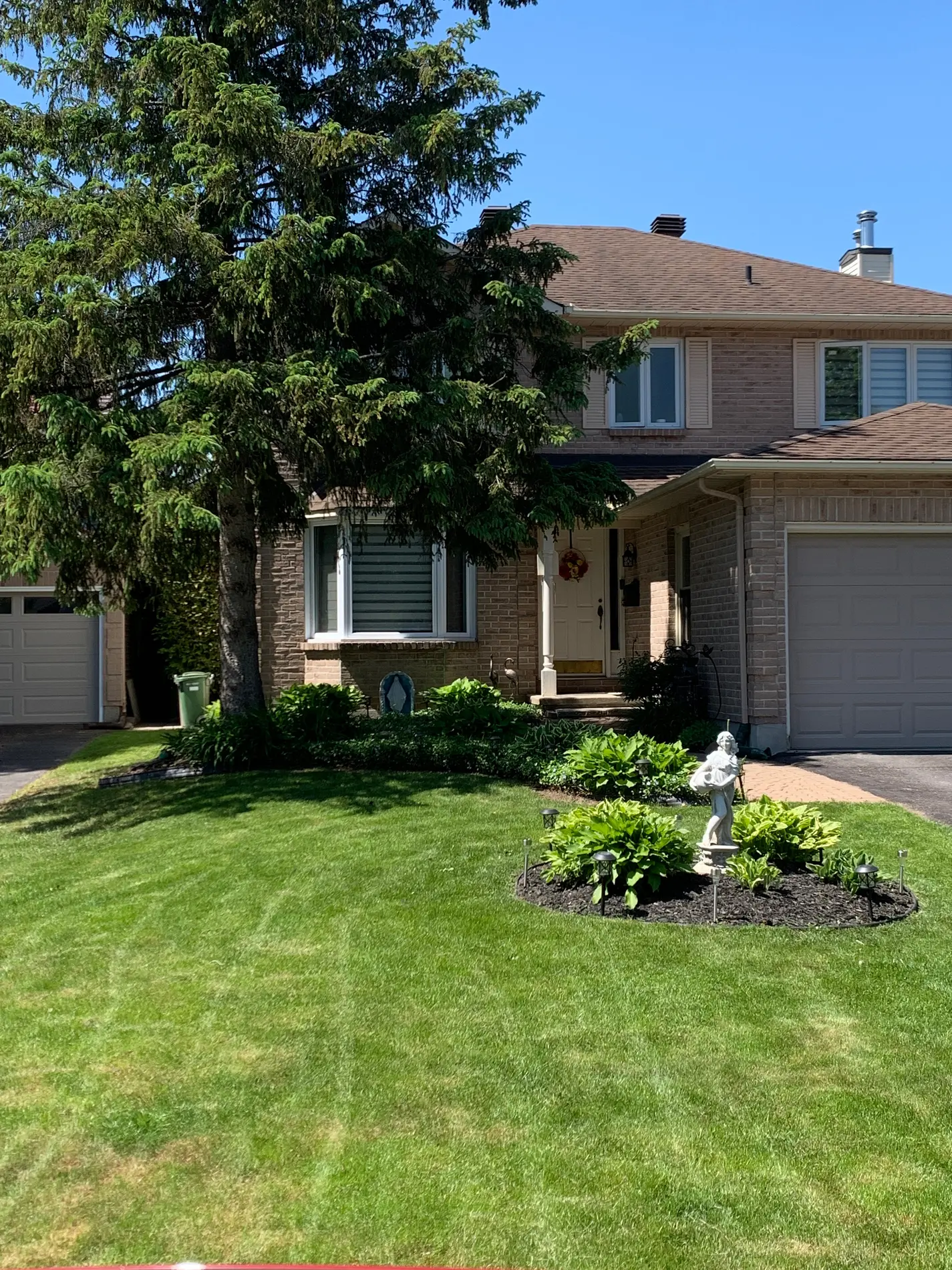
The area below a mature tree may combine low light, root competition, dry soil and difficult mowing. Adding more seed without changing the conditions often repeats the same result.
The short answer
- Track how many hours of usable light reach the area.
- Avoid piling soil or mulch against the tree trunk.
- Consider a garden bed where turf is not a realistic fit.
Light and roots compete together
Tree canopies intercept sunlight and rainfall while roots compete for available moisture. Some turf varieties tolerate partial shade, but tolerance is not the same as thriving in deep shade.
Compaction adds another obstacle
Areas under trees often become walking routes or resting places. Repeated traffic compresses soil and makes establishment harder.
Sometimes the best lawn decision is less lawn
A well-shaped mulched or planted bed can protect the tree and look more intentional than permanently thin turf. The right answer should suit the site, not force grass everywhere.
Measure light across the day
A brief period of sun does not equal a full-sun site. Observe morning, midday and afternoon light during the growing season. The canopy changes as leaves emerge, so an early-spring assessment can overestimate usable light.
Protect the tree while changing the landscape
Do not sever major roots, raise grade deeply over the root zone or pile mulch against the trunk. Tree health and structure are more valuable than forcing turf into an unsuitable location. Consult an arborist where excavation or root impacts are possible.
Alternatives to struggling grass
A defined mulch bed, suitable shade perennials or a path can turn a worn area into an intentional feature. Species choice must consider moisture and root competition, not shade alone.
A local note
Every yard has different conditions.
Use this as general guidance. If you want advice for your East Ottawa property, show us what is happening and we’ll help identify the sensible next step.
Ask Daisy about your yard →