Slopes & Drainage
How to landscape a sloped yard in Ottawa
A homeowner’s guide to runoff, erosion, retaining decisions, planting and safe grade transitions.
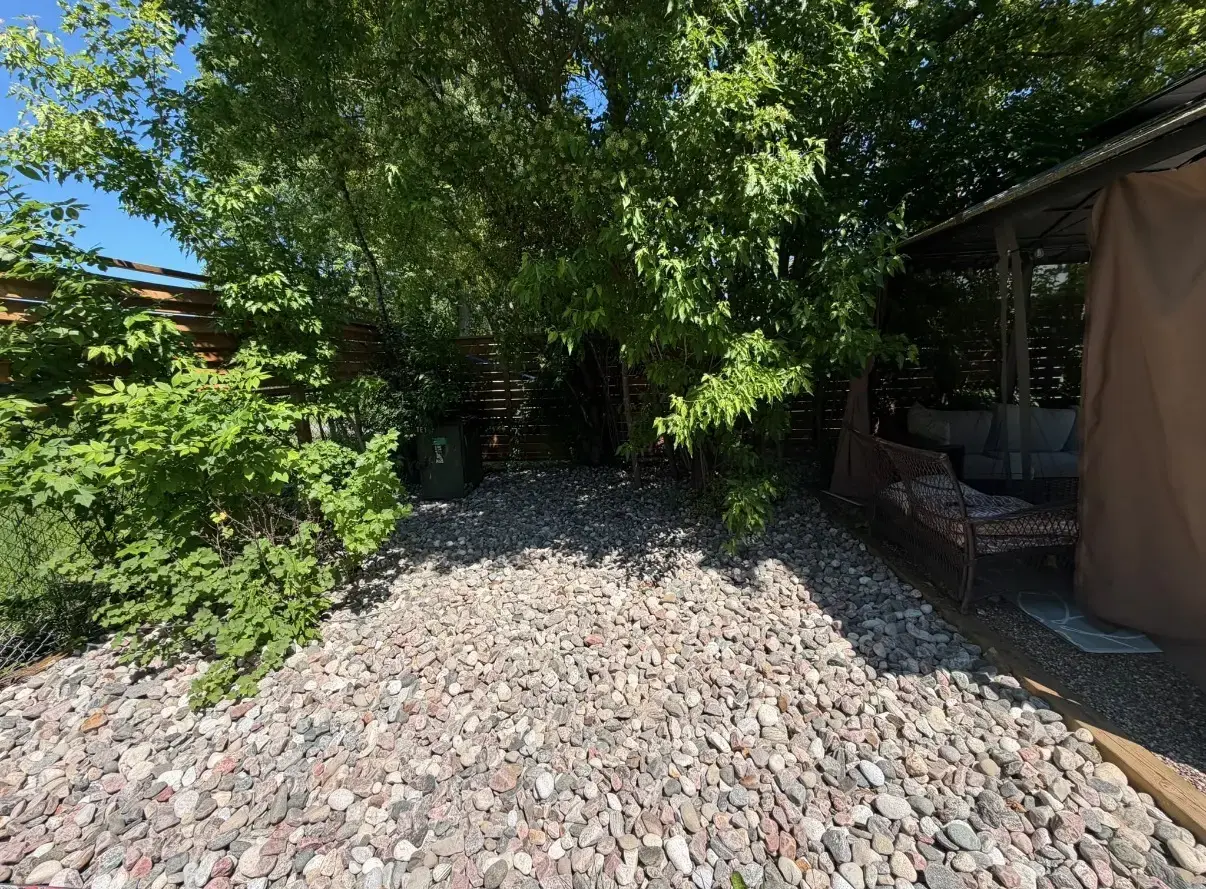
A slope is not automatically a problem. Trouble begins when water concentrates, soil moves, mowing becomes unsafe or a grade change pushes runoff toward a house or neighbour. The solution starts with observation, not a retaining-wall catalogue.
The short answer
- Watch the property during real rainfall before choosing a fix.
- Do not redirect runoff toward neighbouring homes or foundations.
- Walls, major grading and drainage work may require professional design or permits.
Map the water before moving soil
Identify high and low points, downspout outlets, compacted routes and the locations where water enters or leaves the lot. Photograph puddles and channels during rainfall; dry-weather impressions can be misleading.
Also note utilities, property lines, easements, window wells and foundation elevations. A visually attractive grade change is not successful if it creates risk elsewhere.
Separate surface runoff from saturated soil
Water racing across the surface suggests a different problem than soil that remains wet for days. Surface flow may relate to grade, hard surfaces or concentrated downspouts. Persistent saturation may involve soil texture, compaction, a high seasonal water table or drainage beyond the visible area.
Adding topsoil to a wet depression can merely move the water. Diagnosis should come before fill.
When planting can stabilize a slope
Dense roots and year-round soil cover can reduce splash and minor erosion on suitable slopes. Use plants matched to sun, moisture and exposure, and establish them with mulch and watering until roots develop.
Planting is not a substitute for engineered stabilization where a slope is steep, failing or supporting a structure.
When terraces or retaining structures enter the plan
Shorter terraces can sometimes divide a difficult grade into usable areas. Any wall must account for base preparation, drainage behind the wall, surcharge from driveways or structures and freeze-thaw conditions.
Wall height is not the only measure of complexity. A modest wall in the wrong location can carry meaningful loads or affect neighbouring drainage. Confirm local requirements before construction.
Design paths and mowing routes safely
A route across a slope needs comfortable transitions, traction and predictable drainage. Steps should be consistent, and landings should not collect water. If turf is difficult or unsafe to mow, consider converting the steepest portion to planted cover rather than forcing a lawn.
A sensible assessment checklist
Bring measurements, rainfall photos and a description of how the yard is used. A landscape professional may also need elevations. For significant movement, structural concerns or water near the foundation, involve the appropriate drainage, engineering or foundation specialist.

A local note
Every yard has different conditions.
Use this as general guidance. If you want advice for your East Ottawa property, show us what is happening and we’ll help identify the sensible next step.
Ask Daisy about your yard →