Lawn Recovery
Aeration and overseeding: what each one actually does
Two common lawn services, explained without the package-language.
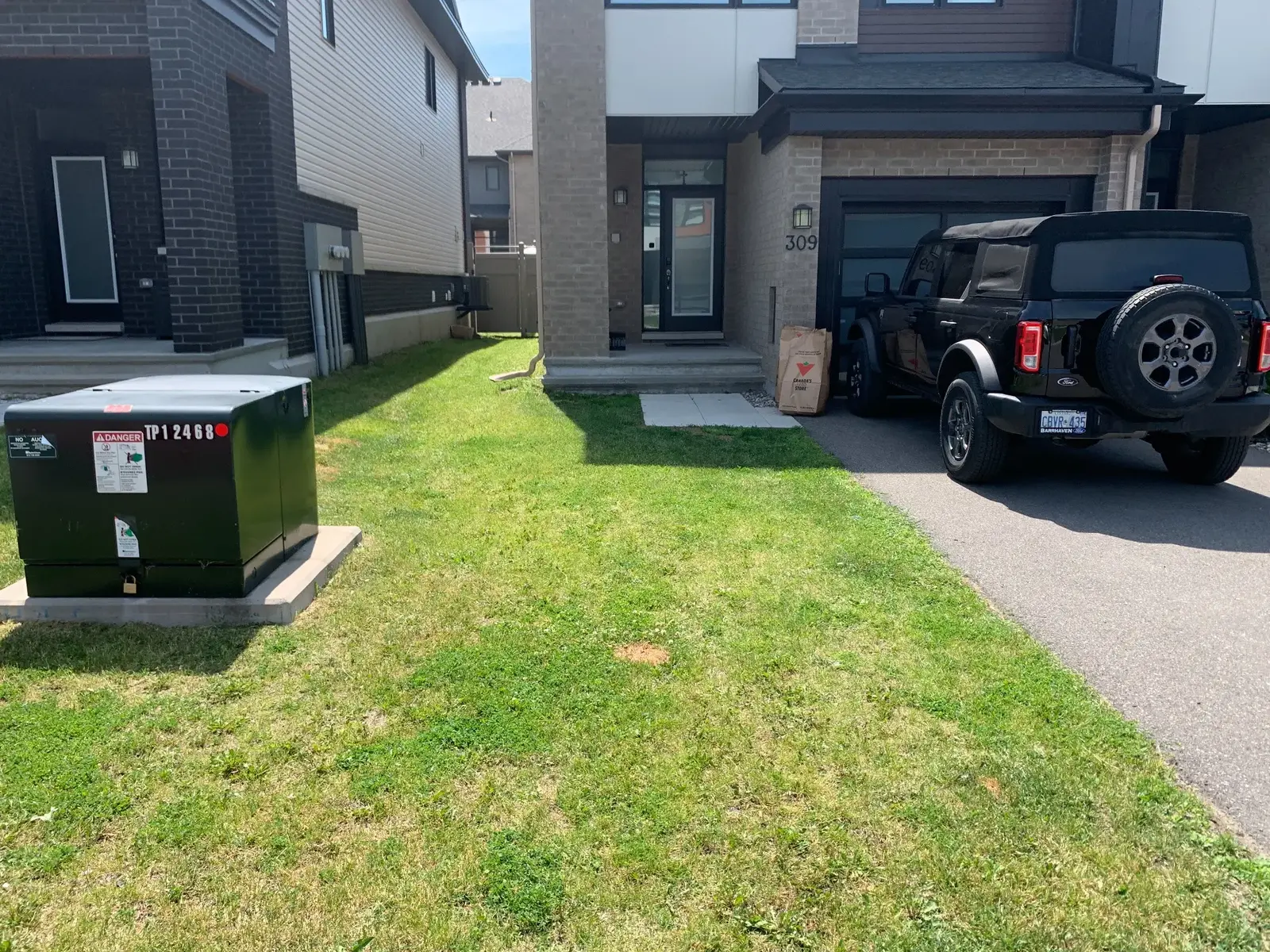
Aeration and overseeding are often paired, but they solve different parts of a lawn problem. Neither replaces fixing severe shade, drainage or watering issues.
The short answer
- Aeration relieves some compaction and opens the surface.
- Overseeding introduces new grass into thin areas.
- Seed needs soil contact and consistent moisture to establish.
What core aeration changes
A core aerator removes small plugs from the soil. On a compacted lawn, this can improve the movement of air and water and create openings where seed can contact soil.
What overseeding contributes
Overseeding adds desirable grass seed to areas where the stand is thin. The seed choice, soil temperature, moisture and competition from existing turf all influence the result.
Timing and aftercare decide the outcome
Seed cannot be scattered and forgotten. The surface needs steady moisture during germination, followed by a gradual shift toward deeper watering. Heavy traffic and premature mowing can reduce establishment.
Who benefits most from aeration
Lawns with traffic, dense soil or poor infiltration may benefit more than loose, healthy soil. Pull a small plug or test with a screwdriver after moisture to understand resistance. Aeration is not automatically necessary every year for every lawn.
Seed choice and soil contact
Choose a mix suited to light, intended use and maintenance. Seed resting on leaves or thatch is less likely to establish than seed contacting prepared soil. Topdressing may help create contact when applied appropriately, but burying seed too deeply is also counterproductive.
Plan the first mowing
Wait until new grass is tall enough to mow at the intended height and the soil is firm enough to avoid rutting. Use a sharp blade and avoid removing more than one-third of the new growth.
A local note
Every yard has different conditions.
Use this as general guidance. If you want advice for your East Ottawa property, show us what is happening and we’ll help identify the sensible next step.
Ask Daisy about your yard →